The Scale of a Transistor
Start at an iPod you can hold. Scroll, and the world shrinks ten times with every step — past a grain of rice, an ant, a human hair, a red blood cell, a virus — until you reach a switch ~17 nm wide, carved billions of times over into a fingernail of silicon.


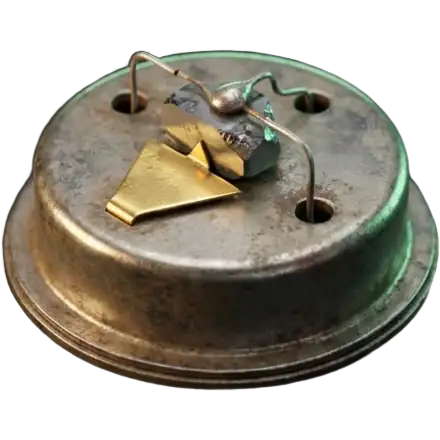
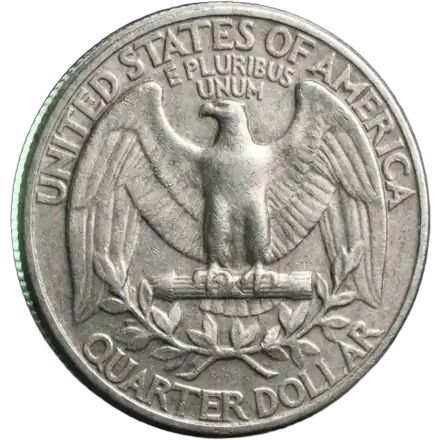
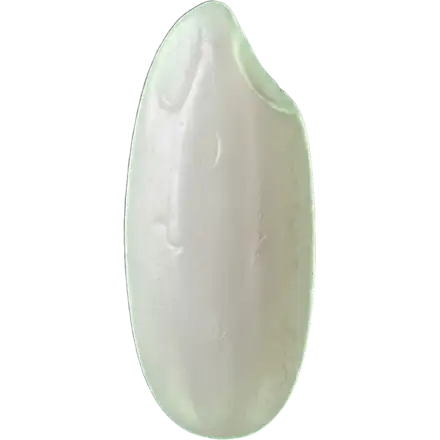

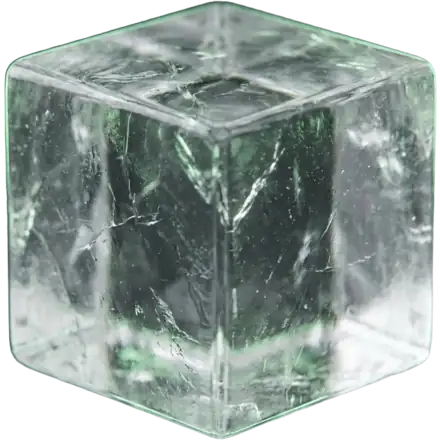

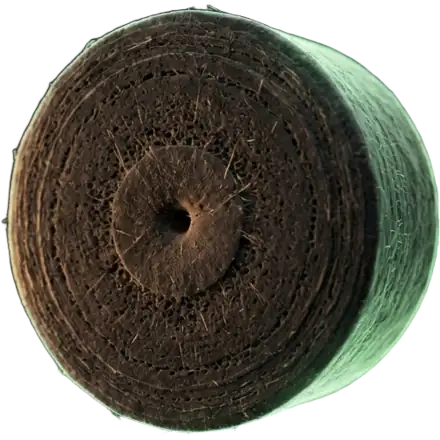
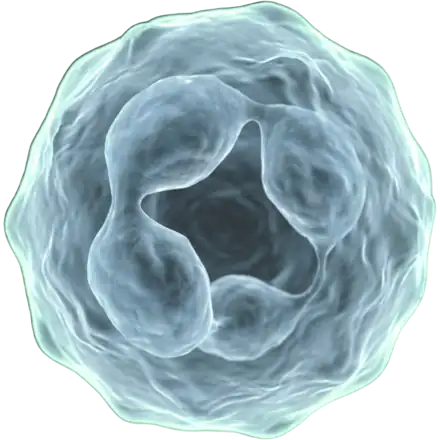
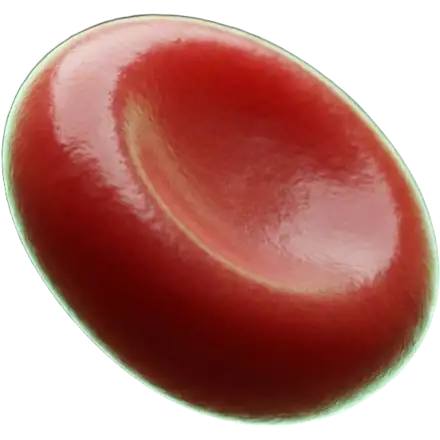


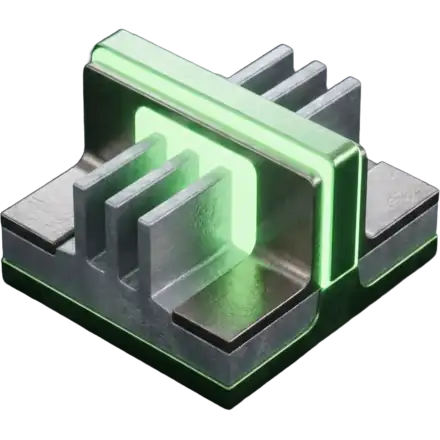

about 10 across a metre
near: ·
Every two years, twice as many.
Making transistors smaller let engineers roughly doublethe number packed onto a single chip about every two years. Intel's first microprocessor held 2,300of them in 1971. Apple's M3 Ultra holds 184 billion.
Plotted on a logarithmic axis, five decades of exponential growth fall almost onto a straight line. You've heard its name.
Your phone is roughly a hundred million times faster than the computer that guided Apollo to the Moon — because we learned to carve a switch smaller than a virus.
A transistor is only a switch.
At its heart, every transistor just turns a current on or off. Shrink it much further and quantum physics blurs that line: electrons start to tunnel through when the switch is supposed to be closed, and we lose control of on and off.
State: blocking — no current flows. Flip the gate to see the channel conduct.
They started stacking up.
If you can't spread more transistors side by side, build upward— like trading single-storey houses for apartment towers. More layers, more density… and a lot more heat to carry away. That's the frontier now.